
How Educational Board Games Help Children Develop Critical Thinking Skills
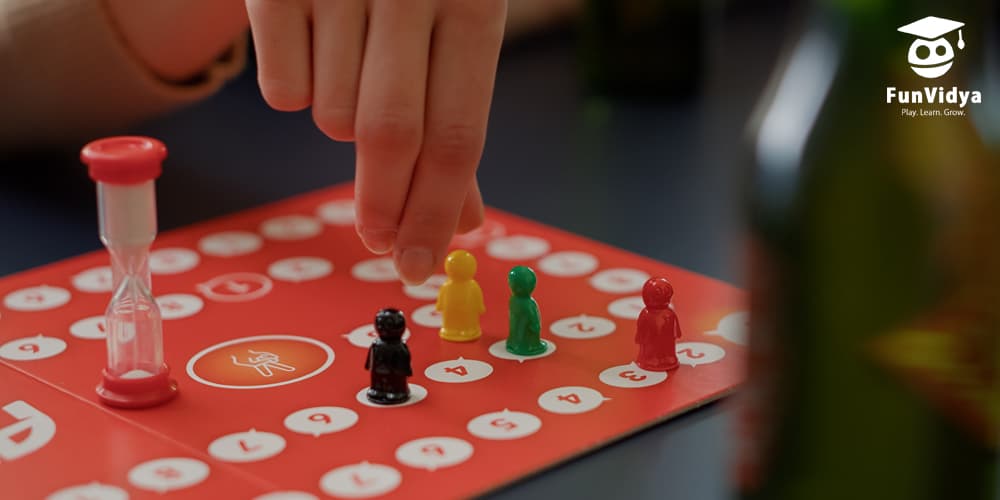
How Educational Board Games Help Children Develop Critical Thinking Skills
Children learn best when they are curious, engaged, and having fun.
While textbooks and classroom lessons are important, educational board games offer a different way of learning. They encourage children to think, make decisions, solve problems, and learn from their mistakes.
These activities help children develop critical thinking skills that are useful not only in school but throughout life.
What Is Critical Thinking?
Critical thinking is the ability to think carefully before making a decision.
It helps children:
- Solve problems
- Analyze situations
- Compare different options
- Make better decisions
- Learn from experience
Children use critical thinking every day, whether they are solving a puzzle, answering a question, or working through a challenge.
1. Board Games Teach Problem-Solving
Many educational games present children with challenges that require solutions.
Instead of giving answers directly, games encourage children to think and find the best way forward.
They learn to:
- Understand the problem
- Explore different options
- Choose a solution
- Evaluate the outcome
Over time, children become more confident in solving problems independently.
2. Children Learn to Plan Ahead
Good decisions often require planning.
Board games encourage children to think about what might happen next instead of focusing only on the current move.
They start asking questions such as:
- What should I do next?
- What could happen if I choose this option?
- Is there a better strategy?
Planning ahead helps children become more thoughtful and organized learners.
3. Games Improve Decision-Making Skills
Every game involves choices.
Children regularly decide:
- Which move to make
- Which path to follow
- Which strategy will work best
As they play, they begin to understand that every decision has consequences.
This experience helps them develop better judgment and decision-making skills.
4. Learning Through Mistakes
Mistakes are an important part of learning.
In board games, children can try different approaches without worrying about failure.
If a strategy does not work, they can learn from it and try again.
This teaches children that mistakes are opportunities to improve rather than reasons to give up.
5. Board Games Improve Focus and Concentration
Many educational board games require children to pay attention to rules, instructions, and changing situations.
During gameplay, children often:
- Observe carefully
- Remember information
- Follow rules
- Stay focused for longer periods
These habits can also support better learning in school.
6. Games Encourage Creative Thinking
Critical thinking is not only about finding the correct answer.
It is also about exploring different possibilities.
Board games encourage children to try new ideas and develop unique strategies.
This helps them become flexible thinkers who can approach challenges from different angles.
7. Children Learn Social Skills Along the Way
Most board games are played with family members, friends, or classmates.
While playing together, children learn to:
- Listen to others
- Share ideas
- Work as a team
- Respect rules
- Communicate clearly
These skills are valuable both inside and outside the classroom.
Educational Games That Build Critical Thinking Skills
Choosing the right educational game can make a big difference.
At FunVidya, we design games that combine learning with problem-solving and decision-making.
Smart City Simulation
View Detail
Smart City Simulation encourages children to think about city planning, resources, infrastructure, and decision-making.
As they build and manage different aspects of a city, children learn to evaluate choices and understand how decisions affect outcomes.
Geo Sprint
View Detail
Geo Sprint makes geography learning exciting through challenges that test knowledge, observation, and quick thinking.
Children improve their understanding of locations, maps, and geographical concepts while developing analytical thinking skills.
Both games help children learn through active participation rather than passive memorization.
Final Thoughts
Critical thinking is one of the most important skills children can develop.
It helps them solve problems, make better decisions, learn independently, and face challenges with confidence.
Educational board games provide a fun and engaging way to build these skills. Through play, children learn how to think, plan, analyze, and improve.
At FunVidya, we believe that meaningful learning happens when education and play come together. Educational games such as Smart City Simulation and Geo Sprint help children develop important life skills while making learning enjoyable.
Keep learning. Keep growing.
Frequently Asked Questions
How do educational board games improve critical thinking?
Educational board games encourage children to analyze situations, make decisions, solve problems, and learn from the outcomes of their choices.
What age is suitable for educational board games?
Most educational board games are designed for different age groups. Parents should choose games that match their child's age and learning level.
Can board games help improve concentration?
Yes. Many board games require children to follow rules, observe details, and stay engaged, which can improve focus and concentration over time.
Are educational board games better than memorization?
Educational board games support active learning. They help children understand concepts through experience rather than relying only on memorization.